Share:

Loading...

A personal loan can cover almost anything – consolidating debt, handling a surprise expense, funding a business gap, or making a big purchase without touching a credit card. But "personal loan" isn't one product. It's a category with wildly different rates, terms, and approval standards depending on where you apply, and picking the wrong lender can quietly cost you thousands over the life of the loan. This guide breaks down how personal loans actually work, what separates a good offer from a bad one, and how to choose a lender without getting lost in marketing language.
A personal loan is a lump sum you borrow from a bank, credit union, or online lender and repay in fixed monthly installments over a set term, typically anywhere from one to seven years. Unlike a credit card, the amount, rate, and payoff date are locked in from day one, which makes budgeting easier but also means less flexibility if your plans change. Most personal loans are unsecured, meaning you don't put up collateral like a house or car, so the lender is relying entirely on your credit history and income to decide whether to approve you and at what price.
Because there's no collateral backing the loan, unsecured personal loans tend to carry higher interest rates than secured products like auto loans or home equity lines. Lenders offset that risk by leaning heavily on your credit score, debt-to-income ratio, and payment history, which is why two people borrowing the same amount can walk away with very different rates.
Not all lenders play the same game, and understanding the differences upfront will save you a lot of comparison shopping later.
Banks tend to offer competitive rates to existing customers with strong credit, but approval can be slower and requirements stricter. If you already have a banking relationship and solid credit, this is often worth checking first.
Credit unions frequently beat banks on rate, especially for members with fair-to-good credit, because they're member-owned and not purely profit-driven. The tradeoff is that you usually need to join the credit union first, which can take a few extra steps.
Online lenders have built their business around speed and accessibility. Approval can happen within a day, and many are more willing to work with borrowers who have thinner credit files. That convenience often comes at a cost, though, with rates that can run higher than a bank or credit union for the same credit profile.
None of these is universally "best." The right lender depends on your credit standing, how fast you need funds, and whether you value the lowest possible rate over speed and convenience.
Personal loan interest rates are driven by a mix of factors, and understanding them helps explain why the rate you're offered might look nothing like the "starting at" number in an ad.
Your credit score is the single biggest factor. Borrowers with scores in the high 700s and above typically qualify for the lowest advertised rates, while those in the fair or poor range – roughly below 670 – often see rates that are double or more what a top-tier borrower would pay. Your debt-to-income ratio matters almost as much, since lenders want to see that your existing obligations leave enough room in your budget for a new payment. Loan term and amount play a role too: shorter terms usually carry lower rates, while very small or very large loan amounts can sometimes come with pricing quirks depending on the lender's internal risk models.
It's worth noting that the advertised "as low as" rate on a lender's website is almost never the rate most applicants actually receive. Treat it as a best-case scenario, not an expectation.
Approval isn't just pass or fail – there's a real range in how lenders structure their decisions, and knowing the common paths can help you plan.
Most reputable lenders now offer prequalification, which lets you see estimated rates and terms using a soft credit check that doesn't affect your score. This is worth doing with two or three lenders before committing to a full application, since it gives you real numbers to compare rather than guessing based on marketing claims. Once you move to a full application, the lender runs a hard credit inquiry, which will cause a small, temporary dip in your score – typically a few points – and verifies your income and identity before issuing final terms.
If your credit is limited or you've had past issues, a few paths can improve your odds. Adding a co-signer with stronger credit can unlock better rates, though it also means that person is legally responsible if you fall behind on payments. Secured personal loans, backed by savings or another asset, are another option and often come with meaningfully lower rates in exchange for that added risk to you. Some lenders also offer credit-builder style products aimed specifically at thin-file borrowers, which can be a reasonable stepping stone if a traditional personal loan isn't available yet.
Once you have a few prequalified offers in hand, resist the urge to compare based on the interest rate alone. The Annual Percentage Rate, or APR, is the number that matters most because it wraps in the interest rate plus any origination fees, giving you a true apples-to-apples comparison across lenders. A loan with a slightly lower interest rate but a hefty origination fee can end up costing more than a loan with a marginally higher rate and no fees at all.
Also check for prepayment penalties, which some lenders still charge if you pay the loan off early, and look closely at the total repayment amount over the life of the loan rather than just the monthly payment. A lower monthly payment on a longer term can feel more affordable day-to-day, but it often means paying significantly more in interest overall.
Steer clear of lenders that guarantee approval before checking your credit or income – legitimate lenders always verify these things, and guarantees upfront are a red flag for predatory terms buried in the fine print. Be cautious of any loan that requires an upfront fee before funds are disbursed, since this is a common scam pattern in the personal loan space. And avoid stacking multiple hard credit inquiries by applying to many lenders at once without prequalifying first; it can dent your score for no real benefit if you're only going to accept one offer anyway.
Finally, don't borrow more than you actually need just because you're approved for a higher amount. Lenders often approve borrowers for more than their stated request, but a bigger loan means a bigger monthly obligation and more total interest, regardless of how comfortable the approval process felt.
How fast can I get a personal loan? Online lenders can often fund a loan within one to two business days after final approval, while banks and credit unions may take several days to a week depending on their internal processes.
Will applying for a personal loan hurt my credit score? Prequalification uses a soft inquiry and doesn't affect your score. A full application triggers a hard inquiry, which typically causes a small, temporary drop of a few points.
Can I get a personal loan with bad credit? Yes, though options are more limited and rates are higher. Co-signers, secured loans, and credit union membership can all improve your odds and your pricing.
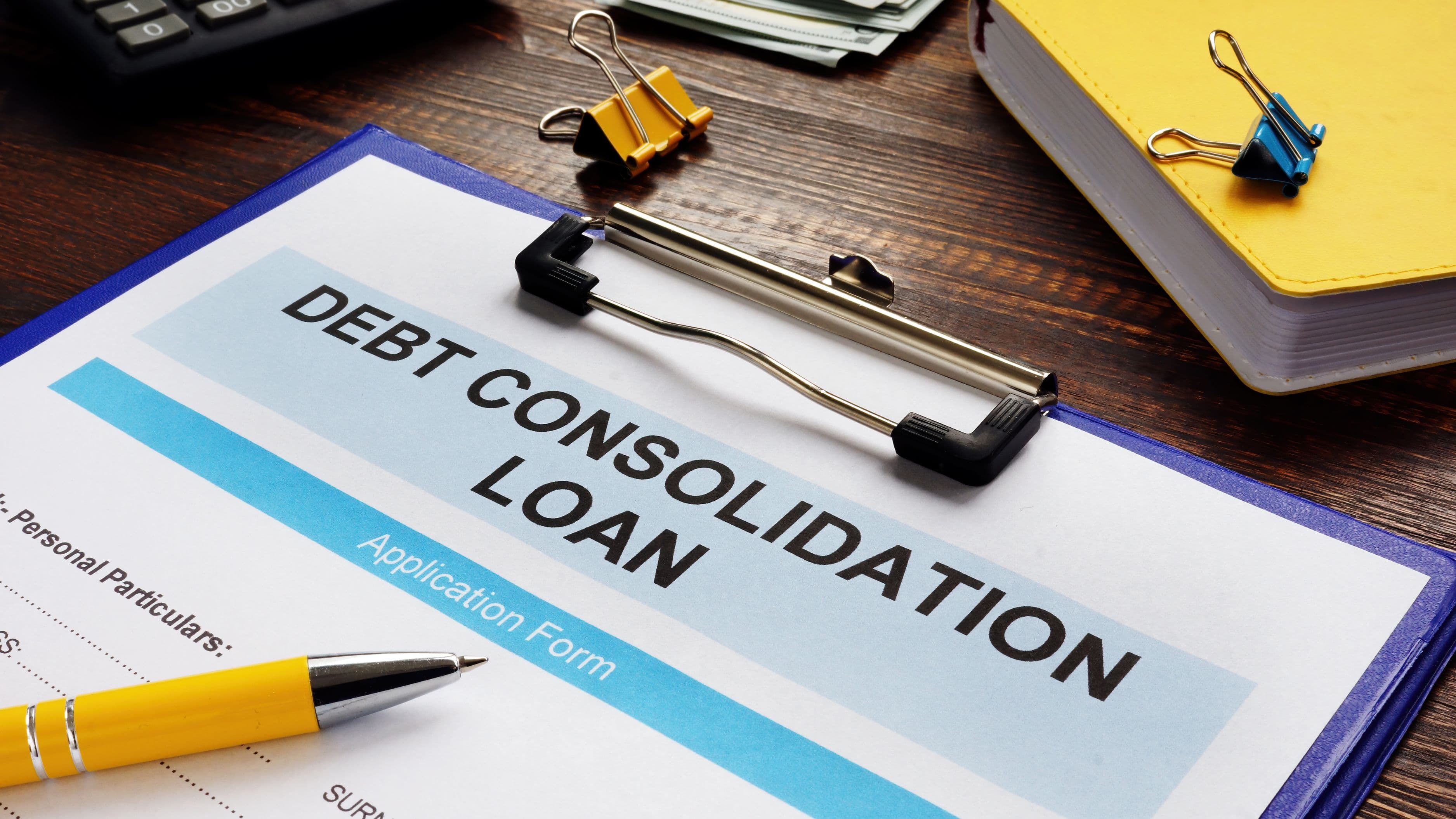
Is a personal loan better than a credit card for debt consolidation? Often yes, since personal loans typically carry lower rates than credit cards and come with a fixed payoff date, which can help you avoid the revolving debt cycle that credit cards make easy to fall into.
This article is for general informational purposes and does not constitute personalized financial advice. Loan terms, rates, and eligibility vary by lender and individual financial circumstances, so consult a financial advisor or lender directly before making borrowing decisions.