Share:

Loading...

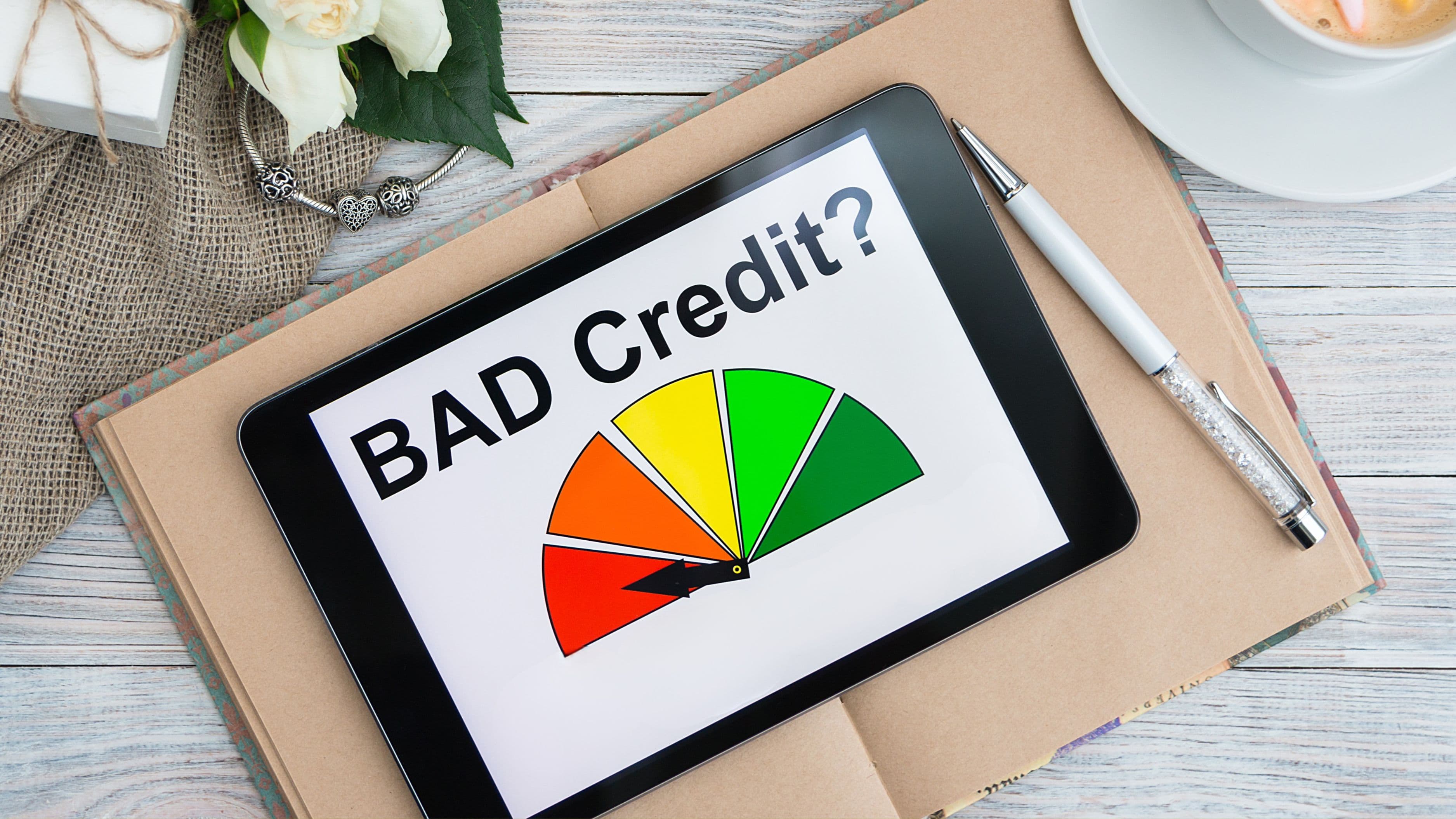
A low credit score can feel like it closes doors, but it doesn't shut down borrowing entirely. Lenders across the spectrum, from credit unions to specialized online platforms, offer products built specifically for borrowers with less-than-perfect credit. The key is understanding which options actually exist, how they differ in cost and risk, and how to avoid the predatory products that target exactly this audience. This guide covers the realistic paths available when your credit isn't where you'd like it to be.
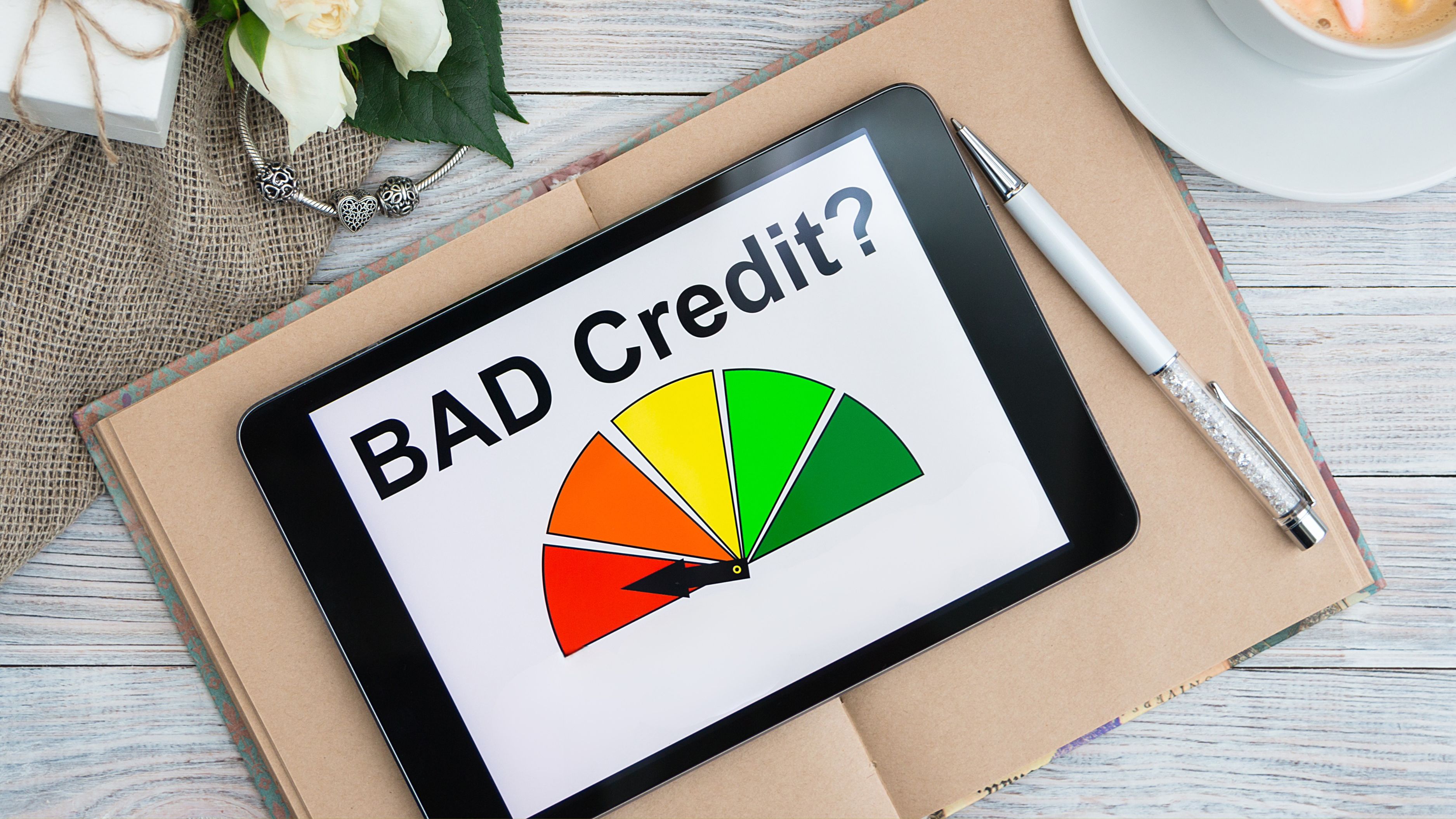
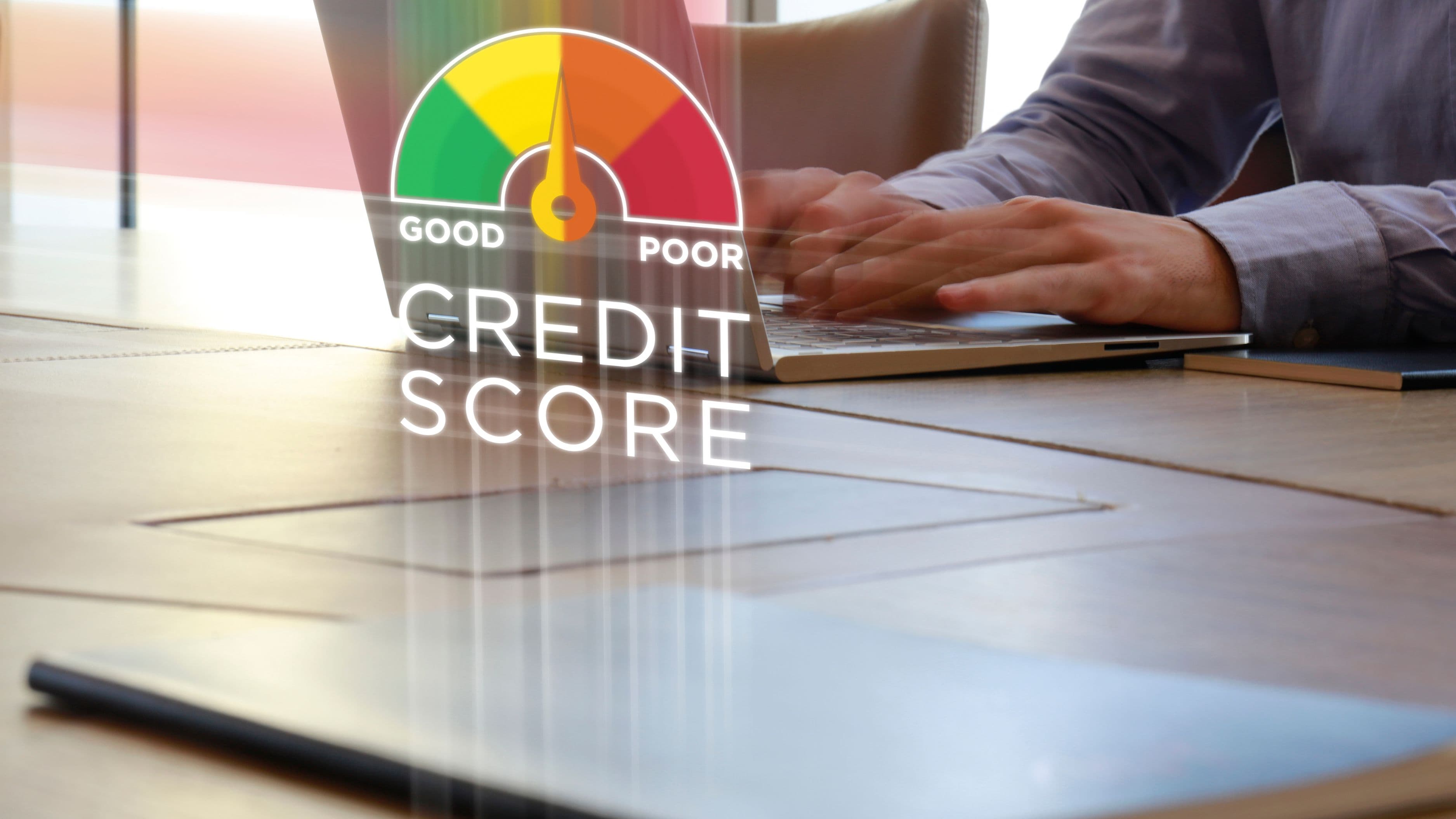
Credit scoring models generally place scores below 670 in the fair-to-poor range, with anything under roughly 580 typically considered poor. Lenders use these bands to price risk, which is why bad credit borrowers see higher rates and, in some cases, additional requirements like a co-signer or collateral that stronger-credit borrowers don't face.
It's worth understanding that "bad credit" doesn't mean "no options." It means a smaller pool of lenders willing to work with you, and a bigger responsibility on your end to compare offers carefully, since the products in this space vary enormously in cost and structure.
Secured personal loans require collateral, often a savings account, certificate of deposit, or a vehicle, which reduces the lender's risk and typically results in a lower rate than an unsecured loan for the same borrower. Credit unions frequently offer share-secured loans backed by your own savings account balance, which can also help build credit history since payments are reported to the credit bureaus even though you're essentially borrowing against your own money.
The obvious risk is that missing payments puts the collateral itself at stake, so this option makes the most sense for borrowers confident in their ability to repay on schedule, using the secured structure primarily to access a better rate or build credit rather than out of necessity.
Credit unions are consistently one of the strongest options for bad credit borrowers because they evaluate members more holistically than large banks, often considering account history and overall relationship rather than credit score alone. Federal credit unions are also subject to interest rate caps that don't apply to most other lenders, which can meaningfully limit how high your rate goes even with imperfect credit.
Joining typically requires meeting a simple eligibility criterion, such as living or working in a certain area, and many credit unions offer small-dollar loan programs specifically designed as a fairer alternative to payday loans.
Bringing on a co-signer with stronger credit can open the door to lenders and rates you wouldn't qualify for alone, since the co-signer's credit history and income become part of the lender's evaluation. This can significantly lower your rate, but it's a serious commitment for the co-signer, who becomes legally responsible for the debt if you fall behind, and missed payments will affect both your credit and theirs. Being transparent with a potential co-signer about your repayment plan and financial situation before asking is essential, given what's at stake for them.
Credit-builder loans work differently from a typical loan: instead of receiving funds upfront, the loan amount sits in a locked account while you make monthly payments, and you receive the funds only after the loan is fully repaid. Because the lender holds the funds as security the entire time, approval standards are far more lenient than for a typical loan, making this one of the more accessible options for borrowers with thin or damaged credit. The tradeoff is that you don't get immediate access to cash, which makes this a tool for building credit over time rather than solving an urgent expense.
Some federal credit unions offer Payday Alternative Loans, a regulated small-dollar loan product created specifically to give bad credit borrowers a safer alternative to traditional payday loans. These loans carry capped interest rates and fees set by federal regulation, along with defined repayment terms, which makes them dramatically cheaper than payday loans in most cases. Availability depends on credit union membership, and loan amounts are typically modest, making this a better fit for smaller, short-term needs than for larger expenses.
A number of online lenders specialize in working with subprime borrowers, often using alternative underwriting factors beyond a traditional credit score, such as bank account history or income patterns. Approval can be faster and more accessible than through a bank, which is genuinely useful in a pinch, but rates on these platforms can run significantly higher, and the range between the best and worst offers in this category is wide. This is the segment of the bad-credit lending market where comparison shopping matters most, since two online lenders can offer dramatically different terms for the same borrower.
Start by identifying what you actually need: a lump sum for a specific expense, ongoing access to credit, or simply a way to build your score over time, since different products in this list serve different goals. Prequalify with multiple lenders using soft credit checks wherever possible, which lets you compare real rate estimates without affecting your score, before submitting a full application that triggers a hard inquiry. Always calculate the APR, not just the interest rate, since fees can meaningfully change the true cost of a loan that looks affordable on the surface.
Avoid any lender that guarantees approval without checking your income or credit at all, since legitimate lenders always verify these things and guarantees are a common tactic used to mask predatory terms. Be especially cautious of traditional payday loans and car title loans, which often carry extremely high effective rates and short repayment windows that can trap borrowers in repeat borrowing cycles. Watch for upfront fees required before funds are disbursed, a classic warning sign of a scam rather than a legitimate lender. And resist taking on multiple loans at once to cover a single expense; stacking debt from several bad-credit lenders at once tends to compound costs quickly and makes repayment far harder to manage.
What's the easiest loan to get with bad credit? Secured loans and credit-builder loans tend to have the most lenient approval standards, since the lender's risk is offset by collateral or by holding the funds until repayment is complete.
Will taking out a bad-credit loan hurt my score further? Applying causes a small, temporary dip from the hard inquiry, but making on-time payments on the new loan can help rebuild your credit over time.
Are payday loans ever a good option for bad credit? Generally no. Traditional payday loans carry very high effective costs; a Payday Alternative Loan through a federal credit union, if available to you, is a regulated and far cheaper option serving a similar need.
How much does a co-signer actually help? It can meaningfully lower your rate and improve approval odds, since the lender evaluates the co-signer's credit and income alongside yours, but it also makes the co-signer fully responsible for the debt if you miss payments.
This article is for general informational purposes and does not constitute personalized financial advice. Loan terms, rates, and eligibility vary by lender and individual financial circumstances, so consult a financial advisor or credit counselor before making borrowing decisions.
Consumer Financial Protection Bureau – What Is a Credit Score
National Credit Union Administration – Payday Alternative Loans