Mistake 1: Assuming General Liability Covers Everything
General liability insurance covers a specific, limited category of risk, typically third-party bodily injury and property damage claims, but it doesn't extend to professional errors, employee-related claims, cyber incidents, or many other risks a business might actually face. What it means in practice: business owners who purchase a single general liability policy and consider their insurance needs fully addressed are often significantly underinsured against risks that are entirely realistic for their specific type of business.
Who this affects most: service-based businesses providing professional advice or expertise, since these businesses face errors and omissions risk that a standard general liability policy simply doesn't cover, regardless of how comprehensive the policy sounds when purchased.
Mistake 2: Underestimating Coverage Limits Relative to Actual Business Risk
Choosing a policy's coverage limit based on the minimum required by a landlord or client contract, rather than an honest assessment of your business's actual risk exposure, is a common way businesses end up underinsured. What it means in practice: a coverage limit that seemed reasonable when the business was smaller may no longer adequately protect a business that's grown in revenue, client size, or operational complexity, and policies aren't automatically adjusted just because your business has grown.
Who this affects most: growing businesses that haven't revisited their insurance coverage since their initial setup, since risk exposure typically increases with business growth in ways that outpace an unchanged policy.
Mistake 3: Misclassifying Workers to Avoid Workers' Compensation Costs
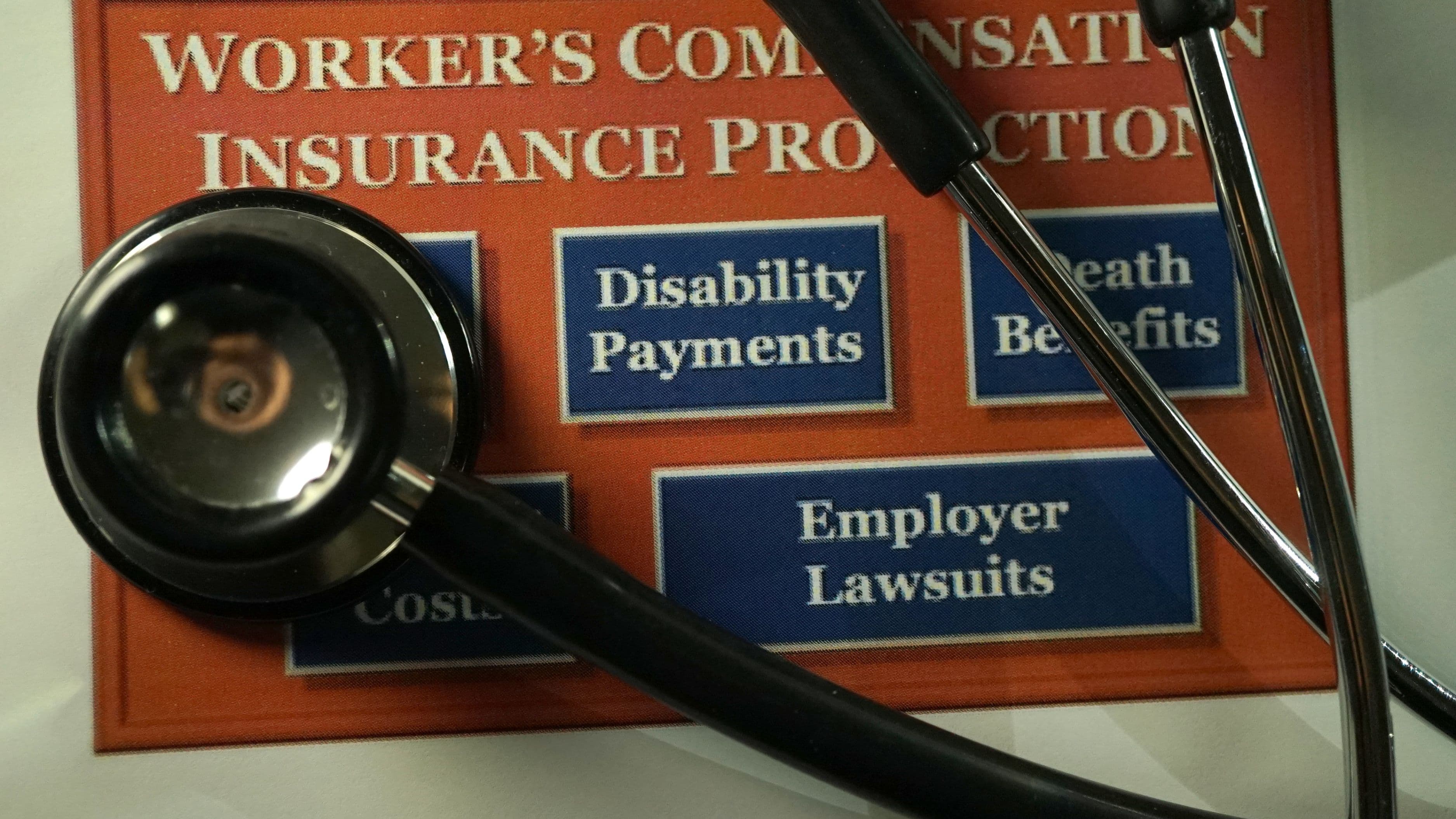
Classifying someone as an independent contractor when they function more like an employee, in an effort to avoid workers' compensation insurance costs, creates significant legal and financial exposure if that classification is challenged, whether by the worker, a regulatory agency, or in the event of a workplace injury claim. What it means in practice: worker classification isn't simply a label you choose; specific legal criteria determine whether someone qualifies as a contractor or employee, and misclassification can result in penalties, back taxes, and denied insurance coverage exactly when you'd need it most.
Mistake 4: Not Reviewing Policy Exclusions Before Purchasing
Insurance policies contain specific exclusions, situations or circumstances the policy explicitly does not cover, and skipping a careful review of these exclusions before purchasing is one of the most common reasons a claim gets denied unexpectedly. What it means in practice: a business owner might reasonably assume a policy covers a certain scenario based on the policy's general description, only to discover during a claim that a specific exclusion applies to their exact situation.
Who this affects most: businesses in industries with common but specific risk factors, cyber liability exclusions for certain types of data breaches, or professional liability exclusions for specific service categories, since these industry-specific exclusions are easy to overlook without careful review.
Mistake 5: Letting Coverage Lapse During a Business Transition
Gaps in coverage during a business move, ownership transition, or change in business structure, even briefly, leave a business completely exposed during that window, and any claim arising during a lapse typically isn't covered even if the policy is reinstated shortly after. What it means in practice: business owners sometimes assume insurance continues seamlessly through a transition without confirming this directly with their provider, only to discover a coverage gap existed at exactly the wrong moment.
Mistake 6: Not Bundling or Reviewing Policies for Overlapping Coverage
Purchasing multiple separate policies from different providers without reviewing them together sometimes results in either costly overlapping coverage or, more concerning, gaps between policies where neither one actually applies to a specific type of claim. What it means in practice: a periodic review of your full insurance portfolio, ideally with a broker who can assess your policies together, often reveals either unnecessary redundant costs or dangerous coverage gaps that individual policy reviews wouldn't catch.
Realistic Expectations
Getting insurance right isn't a one-time decision made when you first start a business; it's something that benefits from periodic review, at least annually or whenever your business experiences a significant change in size, services, or structure. Expect this review process to take a few hours with a knowledgeable broker, a reasonable investment of time relative to the protection it provides.
What to Avoid
Avoid purchasing insurance purely to meet a minimum contractual requirement without independently assessing whether that coverage level actually reflects your business's real risk. Don't assume any single policy covers a risk without reading the specific language and exclusions, since general policy descriptions can create false confidence about what's actually covered. Be cautious about worker classification decisions made primarily to reduce costs, since the legal and financial consequences of misclassification typically far exceed any short-term savings.
FAQ
How often should I review my business insurance coverage? At least annually, and any time your business experiences a significant change, in revenue, services offered, number of employees, or physical location.
Is general liability insurance enough for a small service-based business? Often not on its own. Service-based businesses providing professional advice or expertise typically also need professional liability (errors and omissions) coverage, which general liability doesn't provide.
What happens if I discover a coverage gap after already filing a claim? Unfortunately, coverage gaps typically can't be retroactively fixed once a claim has already occurred, which is why proactive policy review before an incident happens matters significantly more than trying to address gaps after the fact.
📚 Sources
U.S. Small Business Administration, "Insurance Requirements for Small Businesses" – sba.gov
Insurance Information Institute, "Small Business Insurance Basics" – iii.org