Here's the honest answer up front: sometimes you genuinely do need it before your first customer, and sometimes you can reasonably wait – it depends entirely on what your business actually does and what you've already put at risk. The mistake is treating "no customers yet" as automatic permission to skip coverage, because risk doesn't wait for revenue. This guide walks you through how to decide, in plain English, so you're not over-paying for protection you don't need or exposed to a hit that could end the business before it starts.
The Core Idea: Risk Starts Before Revenue Does
The instinct to wait makes sense financially, but it misunderstands when risk begins. Your exposure doesn't start when you get paid – it starts when you begin doing the activities of the business. The moment you sign a lease, buy equipment, take on a contract, hire someone, handle someone's property, or invite a client into your space, you can be held liable for what happens, customer or not.
Think of it this way: a contractor who damages a property while doing free demo work, a maker who injures someone with a product given away as a sample, or a founder whose new equipment is stolen the week before launch all face real losses with zero paying customers on the books. Insurance responds to incidents and liabilities, not to your revenue. So the right question isn't "do I have customers yet?" but "have I started taking on risk yet?" Once the answer to that is yes, coverage deserves serious thought.
When You Probably Do Need Insurance Early
Some situations call for coverage before you ever get paid, because the risk or the requirement is already present. A few clear triggers are worth knowing.
If you've signed a commercial lease, your landlord will very likely require general liability insurance as a condition of the lease, often before you open the doors. The same goes for many contracts and clients – plenty of businesses and venues won't work with you unless you can show proof of insurance, so a lack of coverage can actually block you from landing that first customer in the first place.
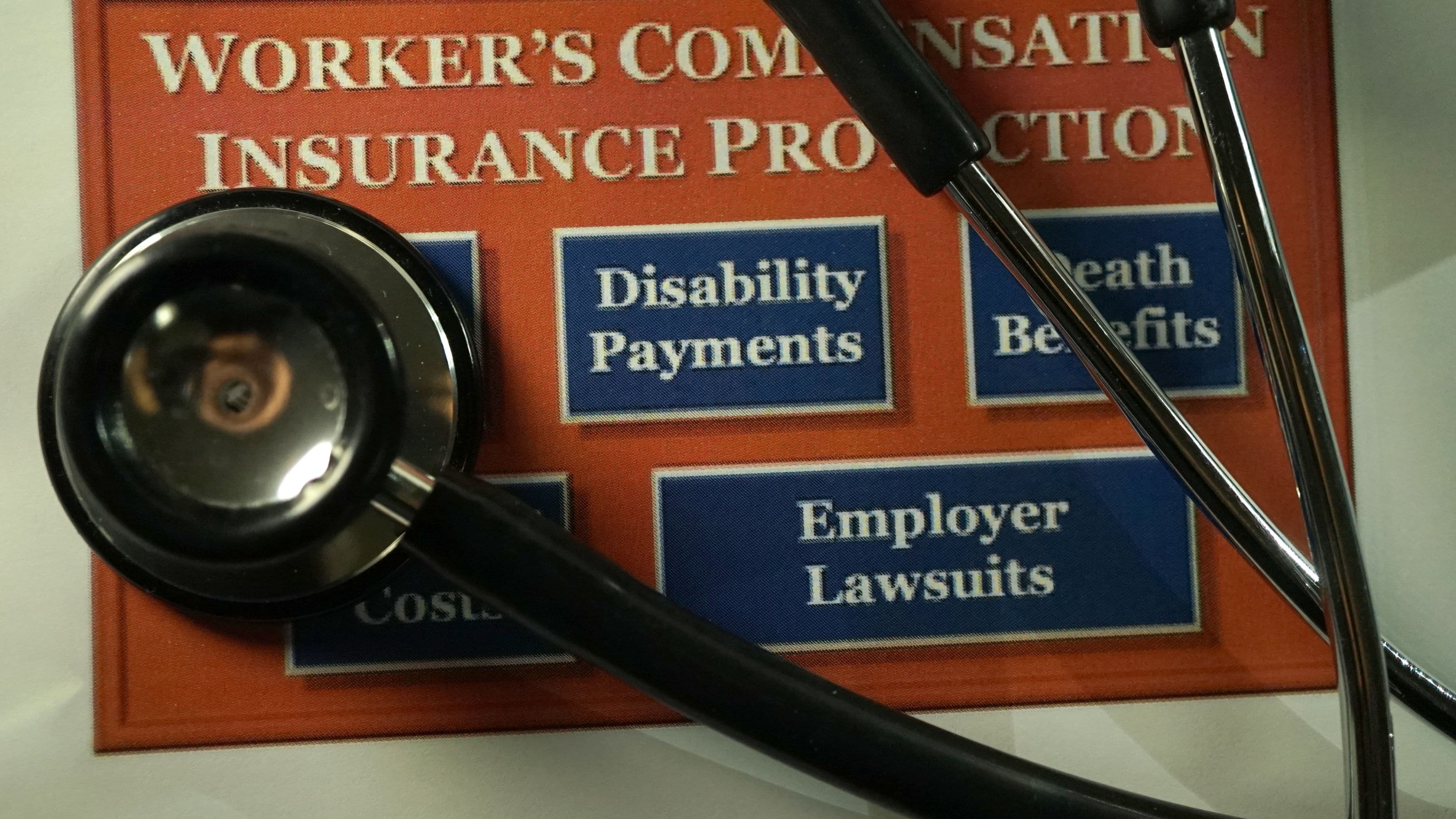
If you've hired employees, most places legally require workers' compensation insurance from the moment you have staff, regardless of revenue, and the penalties for going without can be severe. And if you've invested in expensive equipment, inventory, or a physical location, property coverage protects assets you've already paid for and could lose to fire, theft, or damage well before launch. In all these cases, the trigger isn't your first sale – it's the obligation or asset that already exists.
When You Can Reasonably Wait
On the other side, there are situations where holding off for a short while is a defensible choice, especially when money is tight and real risk is genuinely low. The key word is genuinely.
If you're in the pure idea or pre-operational stage – still planning, researching, or building something with no clients, no contracts, no employees, no premises, and no real-world activity yet – your actual exposure may be minimal, and you can reasonably wait until you're closer to operating. Likewise, a very low-risk solo venture that hasn't yet interacted with any customers, handled anyone's property, or made any commitments carries little immediate liability.
That said, "wait" rarely means "wait a long time." It usually means waiting until you're about to start the activities that create risk – which often arrives faster than founders expect. The smart move is to line up coverage so it's in place by the time you take your first real action, not to leave it as a vague someday task. What this means in practice: waiting is reasonable only while you're truly inactive, and the window tends to be short.
The Main Types of Coverage and What They Protect
To decide what (if anything) you need now, it helps to know what the common policies actually do. You don't need all of these, and matching coverage to your real risks is the whole game.
General liability insurance is the most common starting point, covering third-party claims like someone getting injured or their property being damaged because of your business. It's frequently required by leases and clients, and it's often the first policy a new business gets.
Professional liability insurance (also called errors and omissions) covers claims that your professional advice or services caused a client financial harm – relevant for consultants, agencies, and service providers, sometimes required by client contracts.
Property insurance protects your business's physical assets – equipment, inventory, furnishings – against events like fire and theft, and matters as soon as you own things worth protecting.
Workers' compensation covers employee injuries and is legally required in most places once you have employees, independent of revenue.
A common, budget-friendly option for small businesses is a Business Owner's Policy (BOP), which bundles general liability and property coverage together, often at a lower cost than buying them separately. What this means in practice: identify which of these maps to a risk you already carry, and ignore the ones that don't apply to you yet.
How to Decide: A Simple Step-by-Step
Rather than guess, walk through a quick assessment to land on the right answer for your specific situation.
First, list what you've already committed to or acquired – any lease, contracts, employees, equipment, inventory, or premises. Each of these is a risk or requirement that may already demand coverage regardless of customers. Second, check your obligations: review whether your lease, your client agreements, or your local laws require specific insurance (workers' comp being the big legal one once you have staff). These can make coverage non-optional.
Third, assess your real exposure honestly: could a single accident, lawsuit, or loss right now cause damage you couldn't absorb out of pocket? If yes, that's a strong signal to insure even pre-revenue, because the cost of the policy is small next to the loss it prevents. Fourth, match coverage to those specific risks and obligations rather than buying a generic bundle, and get quotes from a couple of providers to compare. Finally, if you're genuinely still inactive with no commitments, set a clear trigger – "I'll have coverage in place before I sign the lease / take the first client / hire anyone" – so protection arrives exactly when risk does. What this means in practice: the decision is rarely "yes or no" forever; it's "what do I need, and by when."
Realistic Costs and Trade-Offs
Cost is the real reason this question gets asked, so it's worth being grounded about it. For many small, low-risk businesses, basic general liability or a BOP is more affordable than founders expect – often a manageable monthly or annual cost rather than a budget-breaker, though it varies widely by industry, location, coverage limits, and risk level. Higher-risk fields (construction, anything involving physical safety) cost more, and professional services pay more for professional liability.
The trade-off is straightforward: you're spending a relatively small, predictable amount to avoid a potentially business-ending loss. The downside of buying too early is paying for coverage during a period of genuinely no activity; the downside of buying too late is facing a claim, a lawsuit, or a lost contract with no protection at all. For most owners, the second risk is far more dangerous than the first, which is why erring slightly toward earlier coverage – matched to actual risk – is usually the safer call. What this means in practice: don't over-insure a dormant idea, but don't let a few dollars of premium leave a real exposure uncovered.
What to Avoid
A few common mistakes trip up new owners on this exact decision. The biggest is assuming no customers means no risk, when leases, contracts, equipment, and employees all create exposure on their own. Closely related is skipping required coverage like workers' comp once you have staff, which can carry serious legal and financial penalties no matter your revenue.
Be careful about ignoring insurance requirements buried in your lease or client contracts, since discovering them late can delay your launch or cost you a deal. Avoid the opposite error too – buying every policy a salesperson offers before you have any real exposure, which wastes money you need elsewhere. And don't underestimate your risk to save a little now; many owners assume "it won't happen to me" right up until it does. The goal is matched, right-sized coverage timed to when your risk actually begins.
FAQ
Is business insurance legally required before I make money? Some types can be, regardless of revenue. Workers' compensation is legally required in most places the moment you have employees, and leases or client contracts often contractually require general liability coverage. General liability itself usually isn't legally mandatory, but the contractual and legal triggers mean you can absolutely be required to carry insurance before earning a cent.
Can I wait until I get my first customer to buy insurance? Only if you're genuinely still inactive – no lease, contracts, employees, equipment, or real-world activity. Once you've taken on any of those, risk has already started and waiting leaves you exposed. A good rule is to have coverage in place before you begin the activities that create liability, which is often just before your first customer, not after.
What's the cheapest essential coverage for a brand-new business? For many small, low-risk businesses, general liability insurance – often bundled with property coverage in a Business Owner's Policy (BOP) – is the most cost-effective starting point and is frequently what leases and clients require. The right answer depends on your specific risks, so match the policy to what you actually do rather than defaulting to the cheapest option.
I'm a solo founder with no employees and no office. Do I still need it? Possibly not immediately, if you have no clients, contracts, or commitments yet. But the moment you sign a client, handle someone's property or data, or make commitments, your exposure rises, and many clients require proof of insurance to work with you. Plan to have appropriate coverage ready by the time you start real client work.
How do I know how much coverage I actually need? Base it on your real exposure and obligations, not a guess. Look at what a worst-case incident in your line of work could cost, check any limits required by your lease or contracts, and get quotes for those specific coverages. Comparing a couple of providers and, for higher-risk businesses, talking to an insurance broker can help you right-size it without over- or under-buying.
The Bottom Line
Whether you need business insurance before your first paying customer isn't about revenue – it's about risk and obligations, and those often arrive well before the money does. If you've signed a lease, taken on contracts, hired anyone, or bought valuable equipment, you likely need coverage now, and in some cases you're legally or contractually required to have it. If you're still genuinely inactive, you can reasonably wait, but only until you're about to start the activities that create exposure. Walk through your commitments, your obligations, and your real risk, match coverage to what you find, and time it to be in place before risk begins. Get that timing right and insurance stops feeling like a premature expense and becomes exactly what it should be: protection that's ready the moment you actually need it.
📚 Sources
U.S. Small Business Administration – Get business insurance: https://www.sba.gov/business-guide/launch-your-business/get-business-insurance
U.S. Department of Labor – Workers' compensation overview: https://www.dol.gov/general/topic/workcomp
USA.gov – Business insurance requirements and basics: https://www.usa.gov/business-insurance
Insurance Information Institute – Business insurance basics for small businesses: https://www.iii.org/article/business-insurance-basics
U.S. Small Business Administration – Business Owner's Policy and coverage types guidance: https://www.sba.gov/business-guide/launch-your-business/choose-business-insurance