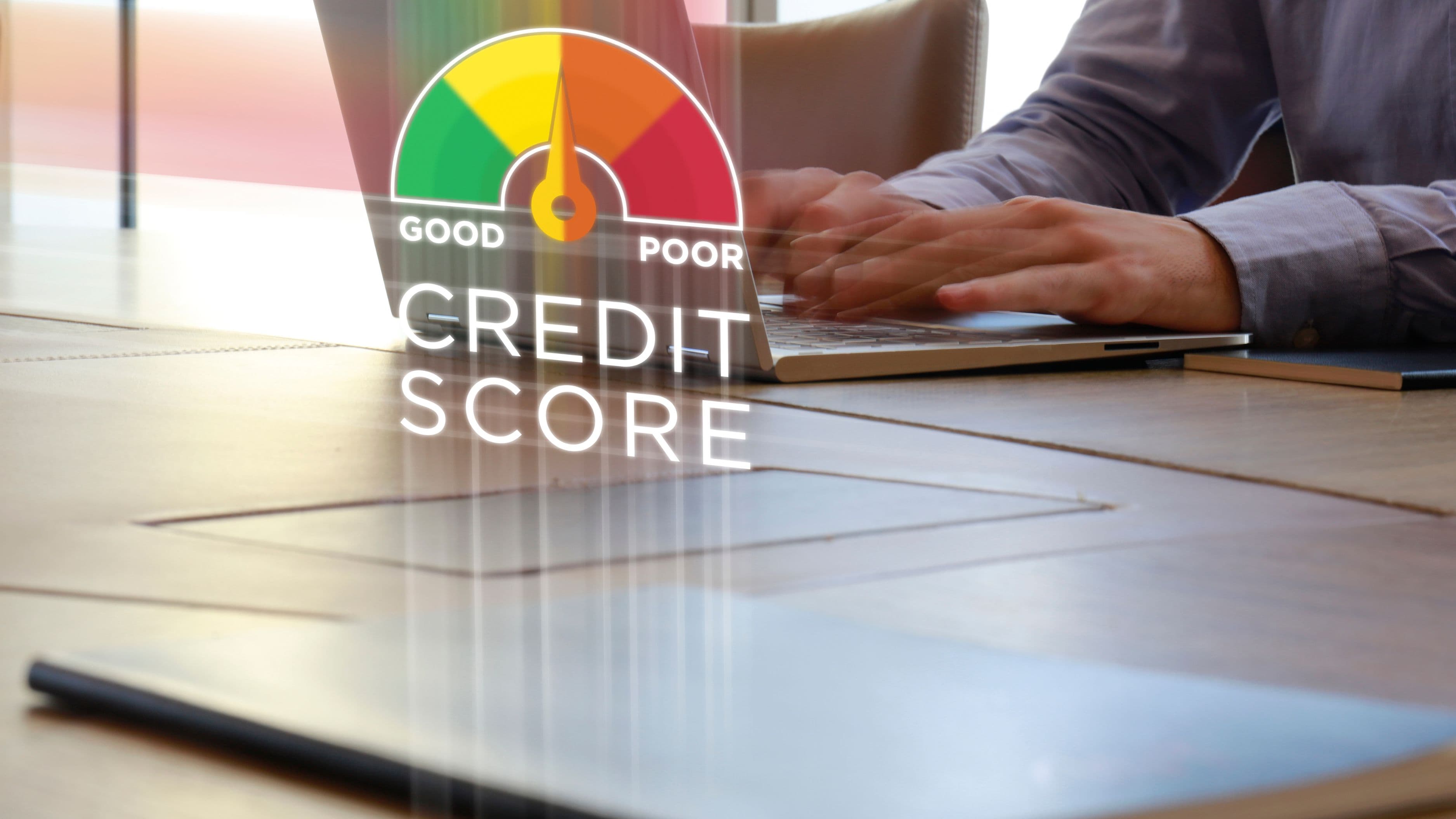
Your business credit score isn't just a number you need when applying for a loan. It's a financial identity for your business that operates independently of you, influences the terms you get from vendors, affects whether you can get approved for commercial space, and determines how much you pay for certain types of insurance. For most small business owners, it's one of the most underleveraged tools available – partly because nobody explains what it actually does.
What a Business Credit Score Is (and How It Differs From Personal Credit)
Your personal credit score – the FICO score that lenders check when you apply for a mortgage or credit card – is tied to your Social Security number and reflects your personal borrowing history. Your business credit score is tied to your Employer Identification Number (EIN) and reflects your business's financial track record as a separate entity.
The three main business credit bureaus are Dun & Bradstreet, Experian Business, and Equifax Business. Each calculates scores differently and uses somewhat different data, which is why it's possible to have meaningfully different scores across bureaus. Dun & Bradstreet's PAYDEX score runs from 1 to 100 and is the most widely recognized in trade credit decisions. Experian Business Intelliscore and Equifax Business Credit Risk Score each have their own scales and weighting systems. Lenders and suppliers may check one, two, or all three depending on what they're evaluating.
The fundamental difference from personal credit is that business credit is not automatically built just by operating a business. You have to take deliberate steps to establish it: forming a legal business entity, getting an EIN, opening a dedicated business bank account, registering with business credit bureaus, and working with vendors and lenders who report to those bureaus. A business that's been operating for years using the owner's personal credit for everything may have essentially no business credit profile – which becomes a significant problem when it's time to separate the business's finances from the owner's personal liability.
What It Actually Affects
The scope of what your business credit score influences is broader than most owners realize, and understanding it changes how you think about building and maintaining it.
Access to business financing is the most obvious application. When you apply for a small business loan, a business line of credit, or an SBA loan, lenders check your business credit alongside your personal credit. A strong business credit profile – even if your personal credit is good – signals that your business has its own track record of financial responsibility. It can mean the difference between approval and denial, between a secured loan that requires personal assets as collateral and an unsecured one that doesn't, and between a competitive interest rate and one that costs you thousands of dollars extra over the life of the loan.
Vendor and supplier terms are where business credit has day-to-day operational impact. When you apply for net-30 or net-60 payment terms with a supplier – meaning you receive goods or services now and pay within 30 or 60 days – the supplier typically checks your business credit to decide whether to extend those terms and at what threshold. A strong business credit profile means you can get better payment terms from more suppliers, which improves your cash flow and reduces the need to fund inventory and supplies out of your operating account before revenue comes in. This is especially meaningful for product-based businesses, contractors, and anyone who purchases materials before billing clients.
Commercial leases are another area where business credit plays a real role. Landlords for commercial space – offices, retail locations, warehouses – often run a business credit check before signing a lease. A weak or nonexistent business credit profile may result in a landlord requiring a larger security deposit, a personal guarantee from the owner (which puts your personal assets on the line), or outright denial. A strong profile can reduce those requirements and give you better negotiating leverage on lease terms.
Business insurance premiums are influenced by business credit in many states. Insurers use credit-based insurance scores – which draw partly on business credit data – to price commercial policies. A stronger business credit profile can result in lower premiums for general liability, commercial auto, and other business insurance products. It's a less visible effect than loan approvals, but over years of premiums it adds up to a real difference.
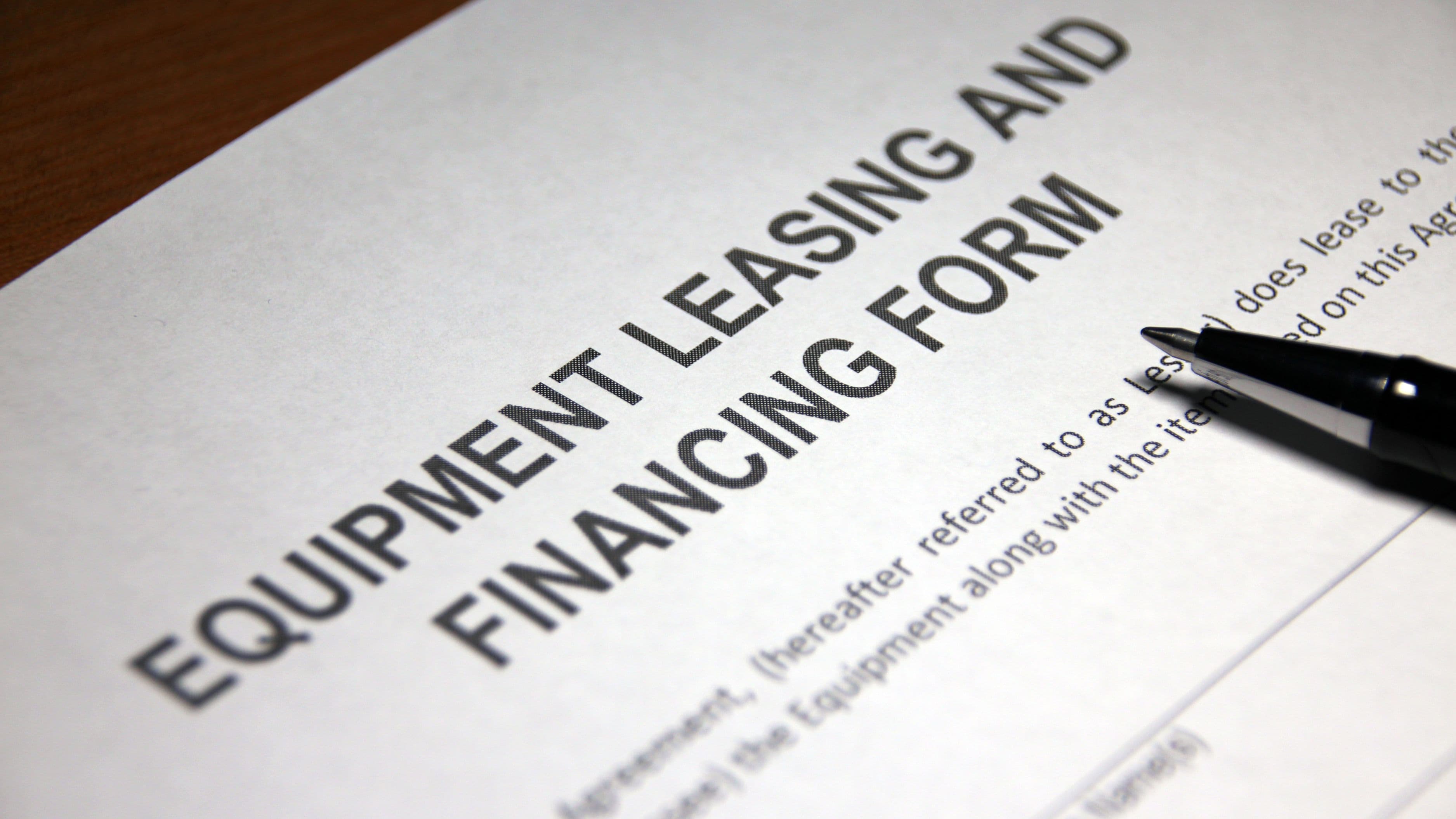
Equipment financing and leasing decisions are also credit-driven. If you're financing a piece of equipment for your business – a vehicle, machinery, technology – the lender or leasing company checks business credit to determine terms. Businesses with established credit profiles often qualify for better rates and longer terms, while those without a credit history may be required to put up a larger down payment or provide a personal guarantee.
The Personal Guarantee Problem
One of the most practical reasons to build strong business credit is to reduce your reliance on personal guarantees. A personal guarantee is a contractual commitment that makes you personally responsible for a business debt if the business can't repay it. Most lenders and many landlords require personal guarantees from small business owners who don't have sufficient business credit history, which means your personal assets – savings, home equity, personal accounts – are exposed to business liabilities.
As your business credit profile strengthens, you become progressively better positioned to qualify for financing and leases without personal guarantees, or with limited ones. This is one of the core mechanisms through which business credit creates the separation between you and your business that an LLC or corporation is supposed to provide on paper. The legal structure limits personal liability in theory; strong business credit is what makes that protection real in practice when it comes to financing.
Why Business Credit Is Invisible Until It's a Problem
Unlike personal credit, where you're regularly reminded of your score through bank apps, credit card statements, and mortgage applications, business credit doesn't have the same ambient visibility. Scores aren't automatically pushed to you. You have to actively monitor them. And because most small business owners aren't monitoring their business credit regularly, they often discover problems at the worst possible moment – when they're applying for financing they need.
Common issues that can drag down a business credit score include slow payment to vendors (PAYDEX is heavily weighted toward whether you pay early, on time, or late), derogatory public records like liens or judgments, high credit utilization on business credit cards, and inaccurate information from the bureaus. Unlike personal credit, business credit data can contain errors that no automatic dispute process flags to you. Monitoring and disputing errors proactively is part of managing the profile, not a one-time task.
Building business credit also takes time. Most lenders look for at least two to three years of business credit history before considering a business credit profile "established." Starting to build it the day you launch your business – or the day you read this, if you haven't started yet – is meaningfully better than waiting until you need financing.
How to Start Building It (If You Haven't Already)
If your business doesn't have an established credit profile, the starting point is straightforward, even if it takes time to show results.
The first step is making sure your business is properly structured. You need a legal entity (LLC or corporation), an EIN from the IRS, a dedicated business bank account, and a business phone number and address that match your business registration. These foundational details need to be consistent across your registrations and applications – inconsistencies cause data matching problems at credit bureaus that slow profile-building down.
The second step is registering your business with Dun & Bradstreet to get a DUNS number, which is the identifier D&B uses to track your business credit. This is free and typically takes a few days. Experian Business and Equifax Business build profiles from reporting trade data, so registration there happens more organically as vendors report payment history.
The third step is getting accounts that report to business credit bureaus. This is where most businesses get stuck – most small vendors and local suppliers don't report to business credit bureaus, which means paying them on time does nothing for your business credit profile. Deliberately working with suppliers who report – Office Depot, Uline, Quill, Grainger, and similar business supply companies typically do – builds your payment history in a way that registers on your business credit report.
The fourth step is a business credit card from a major issuer that reports to business credit bureaus. Most major issuers (Amex, Chase, Capital One) do report business card activity to business bureaus. Keeping utilization below 30% and paying on time builds positive history efficiently.
What to Avoid
Mixing personal and business finances is the most damaging thing you can do for business credit development. When you use personal accounts and personal credit for business expenses, that activity doesn't build business credit – and it muddies the separation between you and your business that matters legally and financially.
Ignoring the credit bureaus until you need something from them is the second most common mistake. Errors in business credit reports don't get corrected automatically, and you won't know they exist unless you check. A lien that should have been discharged, an account attributed to the wrong business, or a payment record that's inaccurate – these problems compound over time if unaddressed.
Applying for multiple credit accounts at once to accelerate profile-building can backfire. Multiple hard inquiries in a short window can temporarily lower your score and may signal financial stress to lenders reviewing your profile. Building steadily over time is more effective than trying to fast-track it with a batch of new accounts.
FAQ
Does my personal credit score affect my business credit score? They're separate scores with separate data, so they don't directly affect each other. However, many lenders look at both when evaluating a business loan application – especially for newer businesses without established business credit. Strong personal credit can partially compensate for thin business credit, but it doesn't replace it.
How long does it take to build a strong business credit profile? Generally two to three years of consistent, on-time payments across multiple reporting accounts to build a profile that lenders and suppliers treat as established. You can start seeing entries on your business credit report within a few months of opening reporting accounts.
Can I check my own business credit score without affecting it? Yes. Checking your own business credit reports is a soft inquiry and doesn't affect your score. Dun & Bradstreet, Experian Business, and Equifax Business all offer paid monitoring services, and Nav.com aggregates business credit data from multiple bureaus in a single dashboard for a monthly fee.
Do sole proprietors have business credit scores? Sole proprietorships can have business credit profiles, but it's more difficult to establish them because the business isn't legally separate from the owner. An LLC or corporation with its own EIN is the more effective structure for building meaningful business credit that's distinct from personal credit.
What's a good PAYDEX score? Dun & Bradstreet's PAYDEX runs from 1–100. A score of 80 means you consistently pay on time, which is considered a solid baseline. Scores of 80–100 indicate early payment and are viewed favorably by lenders and suppliers. Below 70 typically signals late payment history, which affects terms and approvals.
📚 Sources
U.S. Small Business Administration – Building Business Credit: https://www.sba.gov/business-guide/manage-your-business/build-your-business-credit
Dun & Bradstreet – What Is a PAYDEX Score: https://www.dnb.com/perspectives/finance-credit-risk/what-is-paydex-score.html
Consumer Financial Protection Bureau – Business Credit Reporting: https://www.consumerfinance.gov/ask-cfpb/what-is-a-business-credit-report-en-2023/
Experian Business – How Business Credit Scores Work: https://www.experian.com/blogs/ask-experian/credit-education/score-basics/business-credit-score/
Nav – Business Credit Score Overview: https://www.nav.com/resource/business-credit-scores/