The uncomfortable truth is that something will eventually go wrong. The businesses that survive aren't the lucky ones – they're the ones that thought through "what if" before the "what if" arrived. This guide walks you through a practical way to keep your business running when things break, with realistic steps you can actually take, not vague reassurances.
What "Keeping the Business Running" Actually Means
Before the steps, it helps to be clear on the goal. Keeping your business running through a crisis – often called business continuity – isn't about preventing every problem, which is impossible. It's about making sure that when a disruption hits, your business can keep serving customers, paying people, and bringing in money rather than grinding to a halt.
In plain terms, it comes down to three things: protecting your cash, protecting your ability to operate, and protecting the relationships your business depends on. A good continuity plan touches all three, so that no single failure – a person, a system, a supplier, or a sudden expense – can take the whole thing down. The work isn't glamorous, but it's the difference between a setback and a shutdown.
Step 1: Build a Cash Cushion (Your First Line of Defense)
Cash is what keeps the lights on when revenue stops, so an emergency fund is the foundation of staying open through trouble. Most disruptions hurt the business in the same way – they interrupt income, increase costs, or both – and cash buys you the time to recover.
A common guideline is to aim for enough cash to cover three to six months of essential operating expenses (rent, payroll, utilities, loan payments, and the like). That's a target to build toward over time, not something most businesses have on day one, so start by setting aside a small, consistent amount and growing it. Keep this reserve separate from your everyday operating account so you're not tempted to spend it and you know exactly what you have.
If you can't build a full reserve quickly, a backup line of credit arranged before you need it is a useful complement – but be cautious here, because borrowing in a crisis is expensive and harder to get when you're already struggling. The cash you've saved is always safer than the credit you hope to access. What this means in practice: the reserve is your single most important protection, so it deserves attention before fancier planning.
Step 2: Get the Right Insurance in Place
Insurance exists precisely for the disruptions too big to absorb with cash alone, and the wrong gap in coverage can sink an otherwise healthy business. The key is matching coverage to your actual risks rather than over- or under-insuring.
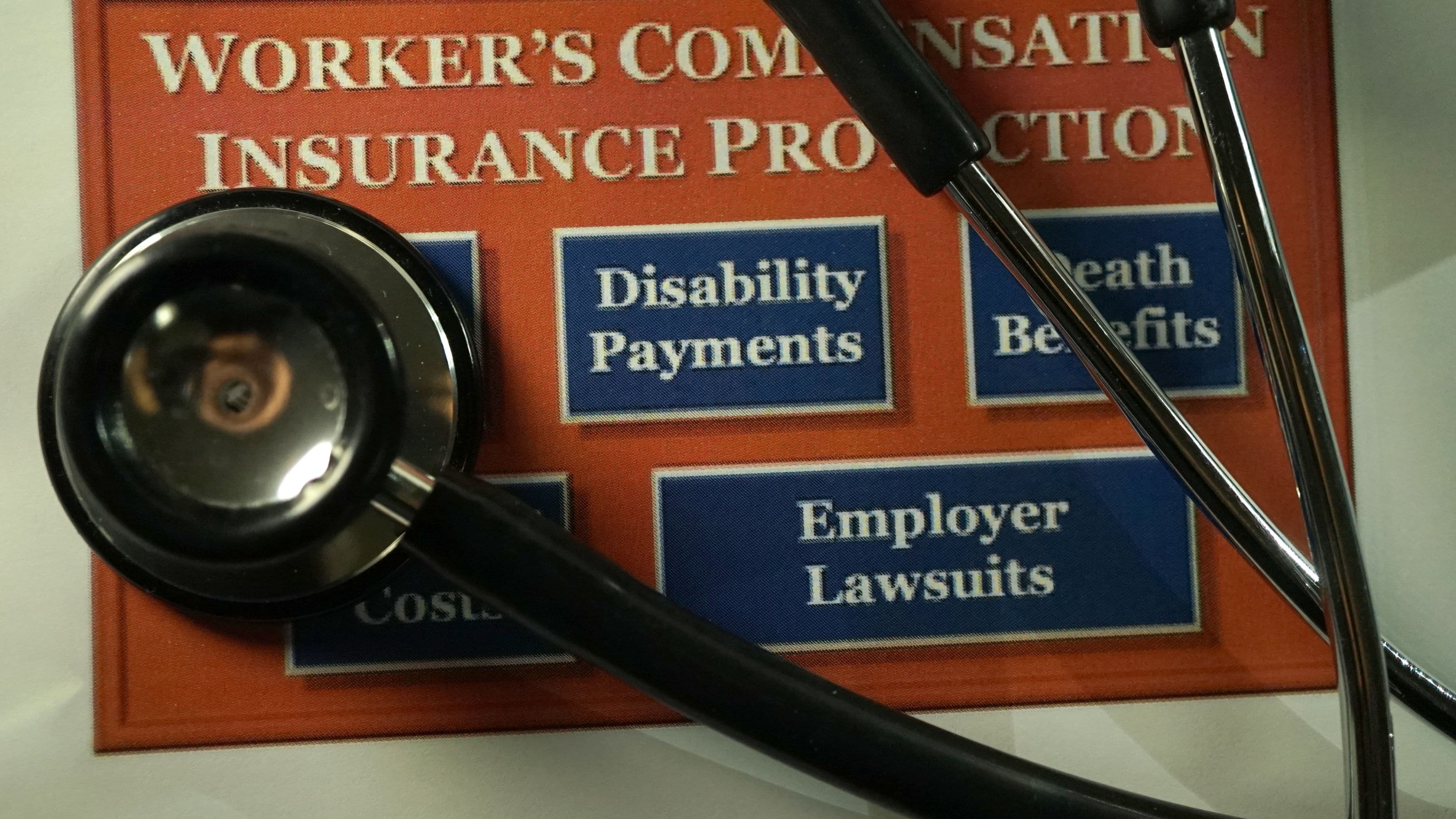
A few types matter most for continuity. General liability insurance covers common third-party claims like injuries or property damage. Property insurance covers your physical assets – building, equipment, inventory – against events like fire or theft. And critically for staying open, business interruption insurance (often available as part of a package) can replace lost income and cover ongoing expenses if a covered event forces you to pause operations. If you handle customer data or rely heavily on technology, cyber insurance is increasingly worth considering too.
The trade-off is cost, and premiums add up, so it's worth reviewing your real exposure and comparing policies rather than buying the cheapest or the most expensive option blindly. Read what's actually covered and, just as importantly, what's excluded – many owners discover too late that a specific disaster wasn't covered. What this means in practice: insurance is your safety net for the big, rare hits, while your cash reserve handles the smaller, frequent ones; you generally want both.
Step 3: Reduce Your Single Points of Failure
A single point of failure is anything your business can't operate without and has no backup for – and these are where disruptions do the most damage. The goal of this step is to find them and build redundancy so no one failure stops everything.
Think across a few categories. If one person holds all the knowledge or access for a critical function, the business is dangerously exposed if they leave or fall ill, so document key processes and make sure more than one person can perform or access essential tasks. If you depend on a single supplier for something vital, identify a backup source before you need one, since supply disruptions are common and sudden. If one client makes up a huge share of your revenue, losing them is an existential threat, so working to diversify your customer base over time is real risk protection. And if your operations live entirely on one system or location, a backup matters.
This step is less about spending money and more about asking honest questions: "If this person, supplier, client, or system disappeared tomorrow, what happens?" Wherever the answer is "we're in serious trouble," you've found something to shore up. What this means in practice: spreading your dependencies is one of the cheapest and most effective forms of resilience available.
Step 4: Protect Your Data and Systems
For nearly every modern business, a technology failure or cyberattack is one of the most likely disruptions, and it can be devastating if you're not prepared. The good news is that the core protections are straightforward and affordable.
Back up your important data regularly and automatically, and keep at least one backup stored separately (such as secure cloud storage), so a hardware failure, theft, or ransomware attack doesn't erase everything. Use basic cybersecurity hygiene – strong unique passwords, multi-factor authentication, kept-updated software, and caution with suspicious emails – since a large share of attacks on small businesses succeed through simple gaps. These steps cost little and prevent some of the most common ways businesses get knocked offline.
It's also wise to know how you'd keep operating if your main systems went down temporarily – even a simple written plan for handling orders, payments, or customer contact during an outage beats improvising in a panic. What this means in practice: data and system protection is high-impact and low-cost, making it one of the best continuity investments you can make.
Step 5: Write a Simple Continuity Plan
All of the above works far better when it's written down rather than living in your head. A continuity plan doesn't need to be a thick formal document – for a small business, a clear, simple plan that people can actually follow is more useful than an elaborate one nobody reads.
Focus on the essentials. Identify your most critical functions (the few things the business absolutely must keep doing), write down the key steps and who's responsible for each during a disruption, and keep an accessible list of emergency contacts – staff, key suppliers, your bank, your insurer, and important customers. Note where backups, funds, and important documents are located and how to access them. Then store the plan somewhere reachable even if your main systems or premises aren't available.
The real value comes from reviewing and updating it periodically and making sure your team knows it exists. A plan written once and forgotten loses its worth as the business changes. What this means in practice: the plan turns scattered preparations into a coordinated response, so a crisis becomes a checklist to follow rather than chaos to survive.
Real-World Examples of This in Action
To make it concrete, picture a few common scenarios. A small retailer whose store floods can keep generating income if it has business interruption insurance covering lost revenue, a cash reserve to bridge the gap, and an online sales channel as a backup to the physical location. A consulting firm that loses its biggest client survives the blow because it deliberately diversified its client base and kept a cash cushion, turning a potential catastrophe into a rough quarter.
A service business hit by ransomware recovers in days instead of folding because it had recent off-site backups and could restore its data rather than pay or rebuild from nothing. In each case, nothing prevented the problem – the preparation simply meant the business kept running through it. That's the entire point of continuity planning, and it's achievable for businesses of almost any size.
Mistakes to Avoid
A few common errors leave businesses exposed despite good intentions. The biggest is assuming it won't happen to you and putting off preparation entirely – disruptions are common, and the time to plan is before, never during. Another is relying on a single protection, like having insurance but no cash, or cash but no data backups; resilience comes from layering these, since each covers different risks.
Be careful about under-reading your insurance policy and discovering an exclusion at the worst moment, and about planning to borrow your way out of a crisis, since credit is hardest to get exactly when you need it most. Many owners also create a continuity plan and then never update it, letting it go stale as the business evolves. And don't overlook the human side – a plan no one on your team knows about can't be executed when you're the one unavailable.
FAQ
How much emergency cash should a small business keep? A widely used guideline is enough to cover three to six months of essential operating expenses, though the right amount depends on your industry, how steady your revenue is, and your fixed costs. Build toward it gradually if you can't reach it quickly, and keep it in a separate account so it's there when you actually need it.
Is business interruption insurance worth it? For many businesses, yes, because it specifically replaces lost income and covers ongoing expenses during a covered shutdown – exactly the gap that sinks otherwise healthy companies. The key is checking what events are covered and excluded before you buy, since coverage varies. Weigh the premium against how badly a forced pause would hurt your finances.
What's the most important first step if I have limited time and money? Start with two low-cost, high-impact moves: begin building a cash reserve, even slowly, and set up automatic off-site data backups plus basic cybersecurity. These address the two most common and damaging disruptions – cash interruptions and tech/data failures – without requiring much upfront spend.
Do very small businesses or freelancers really need a continuity plan? Yes, and arguably more so, because smaller operations often have less cushion to absorb a shock and more single points of failure (frequently one person). The plan can be simple – a cash buffer, backups, key contacts, and a note on how you'd keep serving clients during a disruption – but having it makes a real difference.
How often should I review my continuity plan? Reviewing it at least once a year is a sensible baseline, plus any time something significant changes – a new key supplier, major growth, a new location, or a shift in how you operate. An outdated plan can be nearly as risky as none at all, so keep it current and make sure your team knows where it lives.
The Bottom Line
You can't stop every problem from hitting your business, but you can make sure no single problem takes it down. Keeping your business running through trouble comes down to layering a few practical protections: a cash reserve to buy time, the right insurance for the big hits, fewer single points of failure, solid data and system backups, and a simple written plan that ties it all together. None of it is glamorous, and most of it costs less than people expect – especially compared to the cost of being caught unprepared. Start with whatever you can manage now, build from there, and you'll turn the inevitable "something goes wrong" from a threat to your survival into a challenge you're ready to handle.
📚 Sources
U.S. Small Business Administration – Prepare your business for emergencies: https://www.sba.gov/business-guide/manage-your-business/prepare-emergencies
Ready.gov (U.S. Department of Homeland Security) – Business continuity planning: https://www.ready.gov/business-continuity-plan
Ready.gov – Business emergency and risk assessment resources: https://www.ready.gov/business
Cybersecurity & Infrastructure Security Agency (CISA) – Cybersecurity for small businesses: https://www.cisa.gov/cyber-guidance-small-businesses
Federal Trade Commission – Data breach response and protection for businesses: https://www.ftc.gov/business-guidance/privacy-security/data-security
U.S. Small Business Administration – Business insurance basics: https://www.sba.gov/business-guide/launch-your-business/get-business-insurance